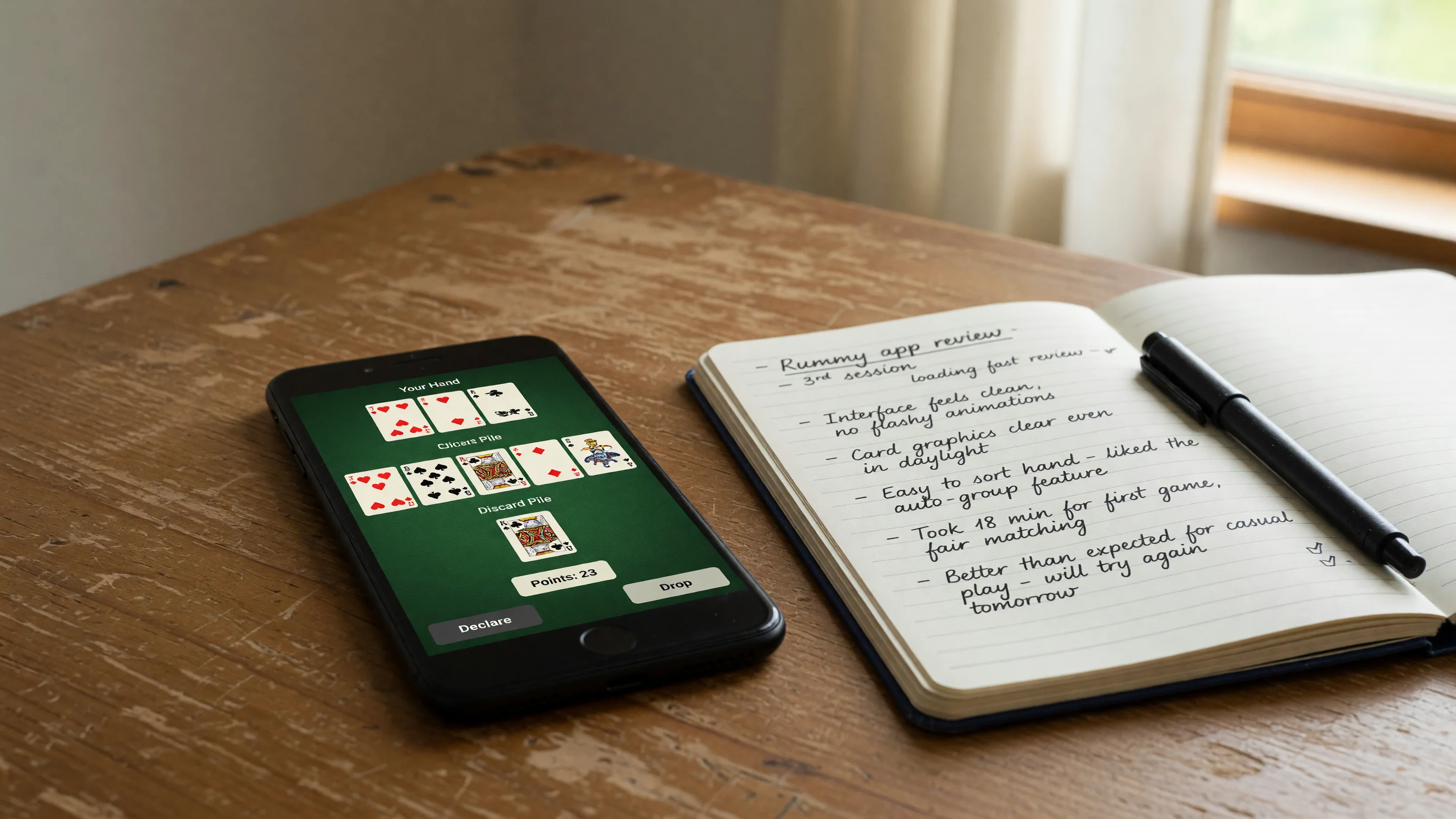
The five-criteria rubric
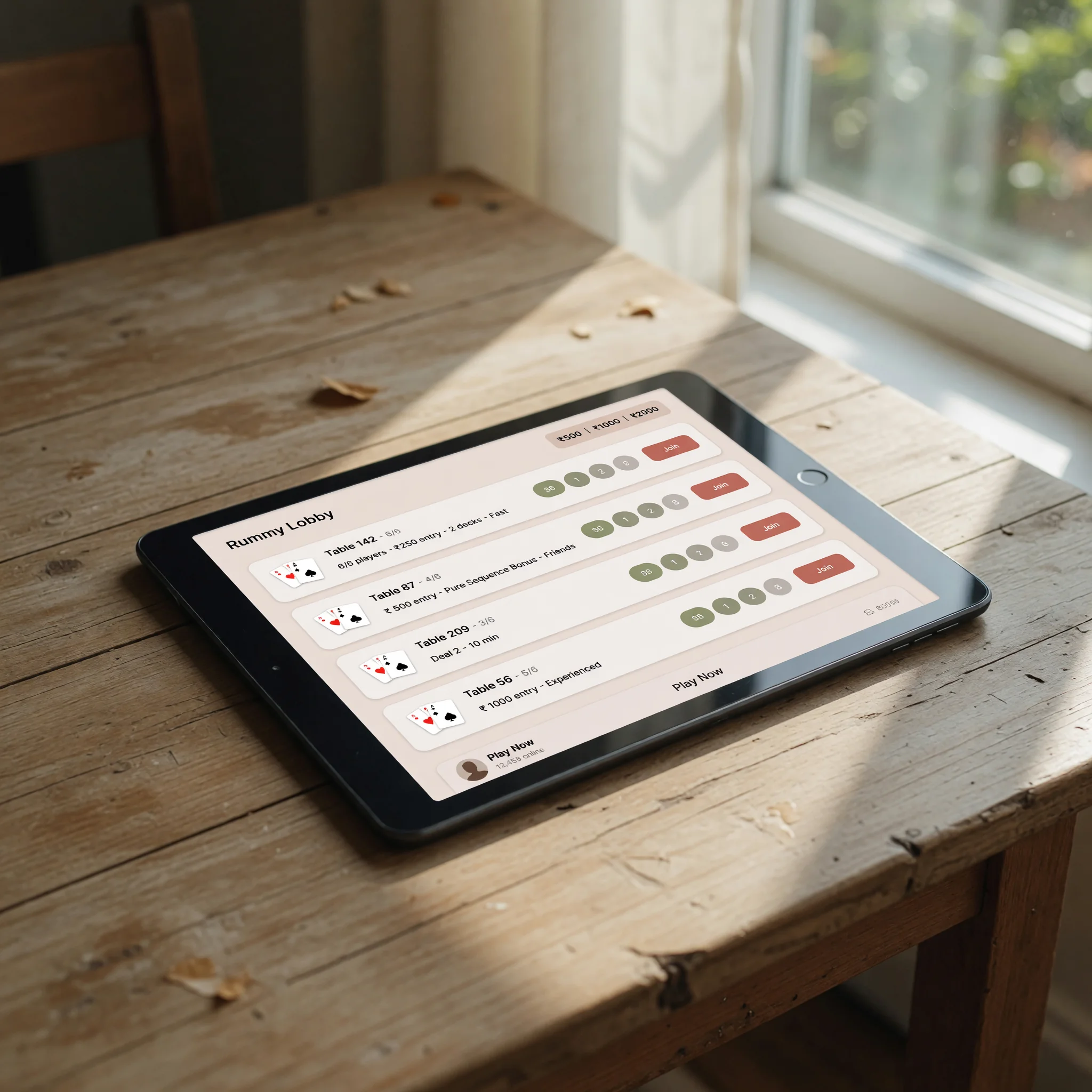
Every operator we review is graded on five weighted criteria: onboarding friction (25%), in-session usability (40%), RNG and game-state integrity (15%), payment-rail clarity (10%), and responsible-play access (10%). The rubric is the rubric — there are no private re-grades. We re-evaluate an operator quarterly or when a material product change is published.
The weighting reflects what an adult rummy reader actually experiences. A platform with a clean lobby but a one-hour KYC loop is a worse experience than a platform with a busier lobby and a five-minute KYC. The score follows the experience.
Onboarding and KYC
Onboarding is the first friction a new player meets. We track the time from sign-up to first real-cash hand, the count of KYC rejection attempts before a successful document upload, and whether the operator publishes a transparent re-KYC reason when a document is challenged. Platforms that surface DigiLocker pre-fill score well; platforms that re-prompt for documents with no explanation score poorly.
The passing bar: under 30 minutes from sign-up to first hand, 90%+ document acceptance rate, a clear re-KYC reason on every challenge.
In-session UX
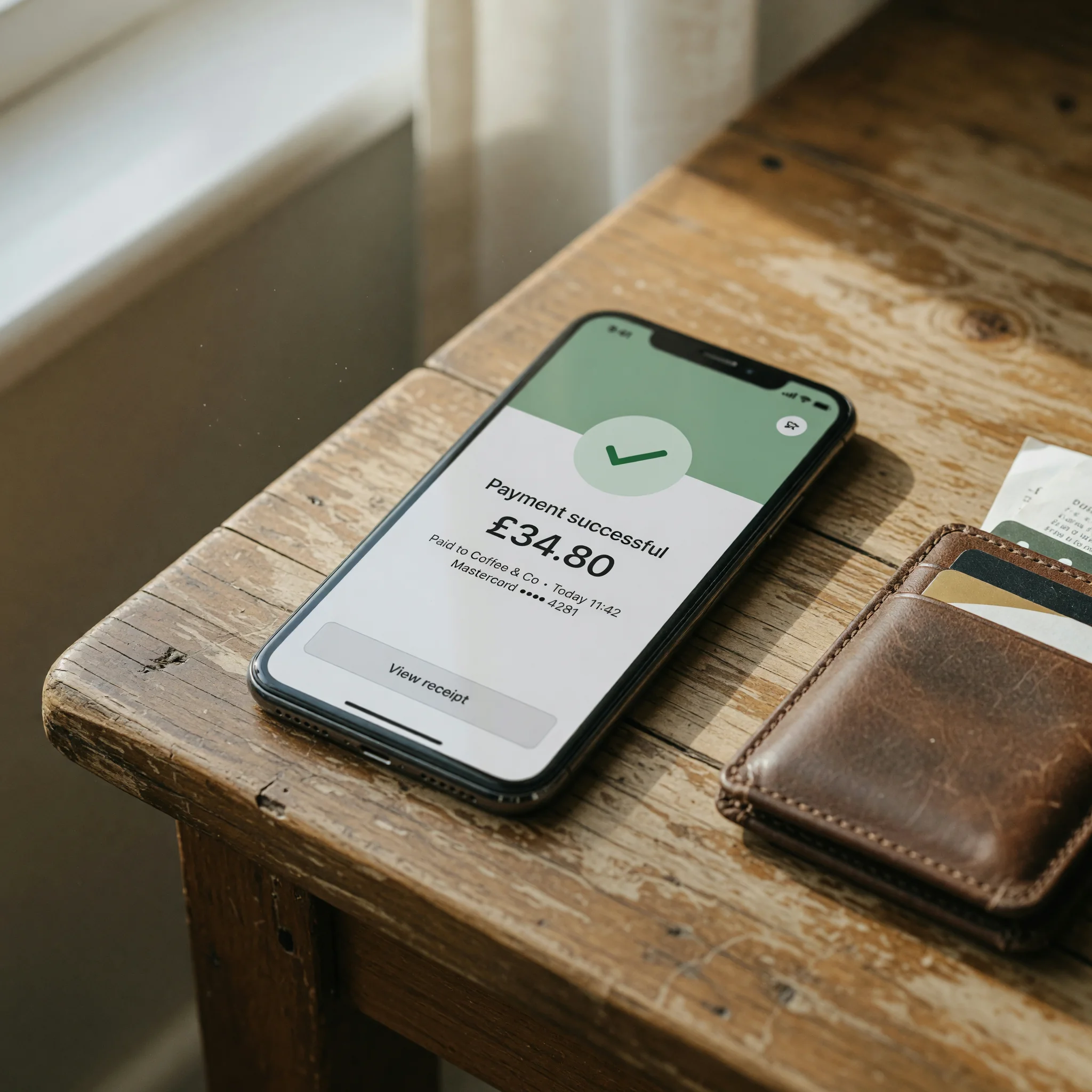
The hand itself has to feel solid. We measure hand speed, table stability, lobby clarity, and the time from declare to payout. A platform that drops players mid-hand at peak hours loses points; a platform that pays out within 90 seconds of declare earns the bonus signal.
We also watch for transparency in drop and score animation. A player should be able to see what they discarded, what they drew, and what the scoreboard did. The platforms that hide the score math to slow down skilled play are flagged in the ledger.
Customer support responsiveness

Customer support is the safety net. We track first-response time during business hours, the channel mix (chat, email, phone), and the escalation path. A platform that responds within 60 minutes on chat and assigns a named case owner on every ticket earns the bonus signal; a platform that responds only with generic chat boilerplate loses points.
The escalation path is the deciding factor. When a KYC dispute or a payout dispute reaches a human owner, the case should be resolved within 72 hours. We track this and surface it in the per-platform review.
Payment rails
UPI is the default rail for Indian rummy readers. A platform that supports instant UPI deposit and withdrawal scores well on payment-rail clarity. Platforms that limit withdrawals to IMPS or net-banking alone score lower — the friction is real, especially for small-stakes readers.
We also track dispute resolution. When a deposit fails or a withdrawal stalls, what does the platform do? The platforms that resolve disputes within 24 hours with a clear audit trail score well; platforms that deflect to the bank without an internal escalation lose points.
Format-specific review notes
Operators often specialise. One platform may run the cleanest Points Rummy lobby in the country but skip Deals Rummy entirely. The review ledger tracks the format coverage: every licensed operator we review runs Points and Pool Rummy; Deals Rummy coverage is mixed; Gin Rummy is rare. The review notes flag whether a format absence is a deliberate product decision or simply an oversight.
Review questions, answered
How often do you re-review a platform?
Every quarter, or sooner when the operator publishes a material product change. The review ledger records the last-reviewed date for every platform.
Do operators pay for review placement?
No. The desk does not accept payment for review placement. We accept affiliate tracking links on the PLAY NOW button only — those are clearly marked.
What happens when a platform fails the rubric?
The review notes show the failing criteria with the rubric data. Readers can still see the platform's strengths; the failure flags are not a blacklist.
How do you handle a platform that disputes a grade?
We re-check the disputed criteria, publish any corrected data, and leave the rest of the rubric intact. The rubric does not change to satisfy an operator.
Can a reader submit a correction?
Yes. The corrections page has a published intake. Verified corrections are logged with the rubric data and the review date.